
Why Energy Costs Are a Growing Challenge for Nigerian Businesses
Energy costs have become one of the largest operational expenses for Nigerian businesses, especially for SMEs and manufacturing companies. Frequent power outages, rising diesel prices, and unstable grid supply force companies to spend heavily on backup solutions.
According to the International Energy Agency (IEA), energy expenses in emerging economies can consume up to 30% of operational costs in energy-intensive industries. For Nigeria, where businesses often run on generators, the percentage can be much higher.
This is where sustainable power solutions such as solar energy systems, hybrid inverters, and energy-efficient appliances come in. They not only reduce costs but also improve reliability and brand reputation.
Understanding the Cost of Energy in Nigeria
Diesel and Fuel Dependency
Most businesses rely on generators as a backup power source, which leads to excessive spending on diesel and petrol.
In 2024, diesel prices in Nigeria rose to over ₦1,200 per litre, putting pressure on profit margins.
The Hidden Cost of Grid Power Instability
Frequent blackouts don’t just cost money they cost time and productivity. Delays in production or service delivery can lead to revenue loss, dissatisfied customers, and increased equipment maintenance costs.
Visit Hamthel Technology Energy Solutions to Learn more on how to save costs.
What Are Sustainable Power Solutions?
Solar Energy Systems
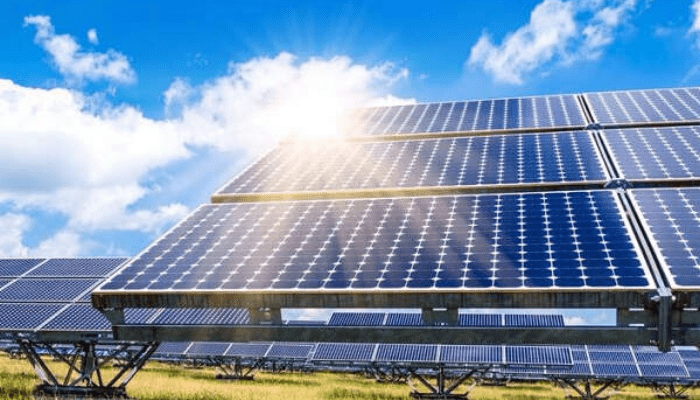
Solar panels convert sunlight into electricity, providing a clean and cost-effective source of power.
Visit Hamthel Technology Energy Solutions to Learn more on how to save costs.
Hybrid Power Systems
Combining solar with battery storage and grid supply ensures uninterrupted power even during peak usage hours.
Learn More: IRENA – Hybrid Renewable Energy Systems
Energy-Efficient Appliances
Replacing old equipment with energy-efficient models can reduce consumption by 20–40%, lowering operational costs without affecting performance.
Learn More: Energy Efficiency in Africa
The ROI of Sustainable Energy for Nigerian Businesses
Switching to sustainable energy isn’t just an expense, it’s an investment.
Solar installations have an average payback period of 3–5 years in Nigeria.
Businesses can save up to 70% on monthly energy costs after full transition.
How to Transition to Sustainable Power
Step 1 – Conduct an Energy Audit
This determines your business’s energy consumption patterns and areas for improvement.
Step 2 – Choose the Right Solution
For businesses with high daily demand, hybrid systems are ideal. For light office use, a small-scale solar setup may be sufficient.
Step 3 – Partner with a Trusted Provider
A reliable energy provider ensures proper installation, maintenance, and after-sales support.
Case Study: Cost Savings with Solar Energy in Lagos
A mid-sized manufacturing company in Lagos installed a 50kW hybrid solar system and reduced diesel usage by 80%. Within 4 years, they achieved full ROI, improved uptime, and attracted ESG-conscious investors
Challenges and Misconceptions About Sustainable Energy
High Upfront Cost
While the initial cost can be significant, financing options and tax incentives are becoming more available.
Maintenance Concerns
Modern solar panels and hybrid systems require minimal upkeep, often just routine cleaning and inspections.
When implementing sustainable energy solutions for Nigerian businesses, choosing a partner that provides customized hybrid and solar systems is critical.
The path to reducing energy costs lies in adopting sustainable, efficient, and reliable power solutions. By making the shift, businesses not only save money but also strengthen their competitive edge in a rapidly changing market.
FAQ Section
Q: How much can a business save by switching to solar in Nigeria?
A: Depending on usage, savings can reach 50–70% annually.
Q: Can solar power fully replace generators for Nigerian businesses?
A: Yes, with proper sizing and hybrid systems, solar can cover full operational needs.