
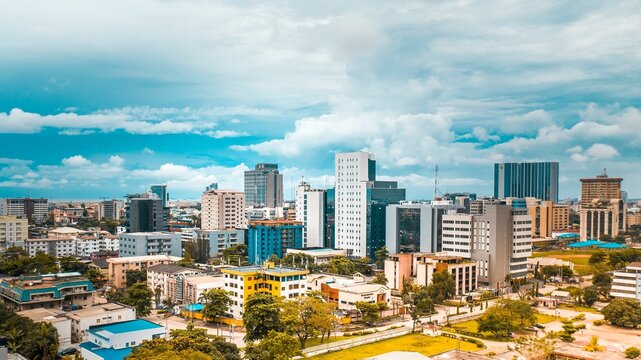
As Nigeria’s urban areas continue to expand at an unprecedented rate, the demand for housing, commercial properties, and public infrastructure has reached record levels. This rapid urbanization has brought with it significant environmental, social, and economic challenges.
Issues such as resource depletion, excessive energy consumption, waste generation, and environmental degradation have made it clear that traditional building methods are no longer sustainable in the long run.
Sustainable building practices are becoming essential to address these concerns, particularly in densely populated cities like Lagos, Abuja, and Port Harcourt.
This blog explores how adopting sustainable construction in Nigeria’s urban areas can reduce environmental impact, lower operational costs, and improve the quality of life for residents while meeting modern urban development goals.
1. Understanding Sustainable Construction in the Nigerian Context
Sustainable construction refers to the use of building methods, materials, and designs that minimize negative environmental impacts while maximizing efficiency and durability. In Nigeria, this means designing and constructing buildings that respond to the unique climate, resource availability, and socio-economic realities of the country.
Key principles of sustainable building in Nigeria include:
Efficient use of materials to minimize waste and reduce costs.
Energy-efficient design to lower long-term utility bills.
Water conservation systems to address water scarcity in urban areas.
Use of locally sourced materials to reduce the carbon footprint of transportation and promote local economies.
Integration of renewable energy solutions such as solar panels.
2. Regulatory Momentum: Building Codes & Green Policies
Lagos State is leading regulatory change with a new building code set to rollout in 2025, emphasizing sustainability, energy efficiency, and resilient infrastructure.
This includes integration of an energy-efficiency code designed with international standards and the Nigerian Energy Support Programme.
Federal and state agencies like NESREA (National Environmental Standards and Regulations Enforcement Agency) also regulate environmental standards nationwide, including building-related environmental compliance
3. Sustainable Building Materials for Nigerian Urban Projects
Choosing the right materials is at the heart of sustainable construction. The Nigerian market offers several eco-friendly material options that are durable, affordable, and locally available:
Laterite blocks – A cost-effective alternative to cement blocks with lower carbon emissions during production.
Bamboo – Strong, renewable, and abundant in certain parts of Nigeria.
Recycled steel – Reduces the need for new raw material extraction and is highly durable.
Compressed Earth Blocks (CEBs) – Require less cement and are highly energy-efficient.
Low-VOC paints and finishes – Improve indoor air quality by reducing toxic emissions.
These materials support local supply chains and align with green and sustainable building practices in Lagos
4. Energy Efficiency in Sustainable Urban Buildings
Energy costs are one of the most pressing concerns for Nigerian property owners, especially in cities where electricity supply is inconsistent. Sustainable building designs can reduce dependence on diesel generators and high electricity bills.
Strategies for improving energy efficiency:
Passive cooling designs – Using natural ventilation, shading devices, and heat-reflective roofing to maintain indoor comfort.
LED lighting systems – Lower electricity consumption while offering longer lifespan.
Solar energy integration – Harnessing Nigeria’s abundant sunlight for power generation.
Energy-efficient appliances – Reducing operational costs for residential, commercial, and hospitality spaces.
5. Water Conservation and Management
Water scarcity is an increasing challenge in Nigerian urban centers. Sustainable construction incorporates water-efficient systems such as:
Rainwater harvesting systems for non-drinking uses.
Low-flow fixtures to reduce water wastage.
Greywater recycling for landscaping and toilet flushing.
These measures not only reduce utility bills but also contribute to the sustainable management of a critical resource.
6. Waste Reduction and Recycling in Construction
Construction projects in Nigeria generate a significant amount of waste, including cement bags, wood scraps, steel offcuts, and packaging materials. Sustainable building projects implement waste management systems such as:
Recycling and reusing materials where possible.
On-site segregation of waste for efficient disposal.
Partnering with recycling firms to repurpose construction waste.
7. The Role of Technology in Sustainable Construction
Innovative technologies are helping Nigerian construction companies improve efficiency and reduce environmental impact:
Building Information Modelling (BIM) for accurate planning and reduced material waste.
Prefabricated building components to speed up construction and minimize site waste.
Smart home and building systems for monitoring and reducing energy use.
8. Economic and Social Benefits of Sustainable Building in Nigeria
Beyond environmental benefits, sustainable construction offers long-term financial advantages:
Lower operational costs from reduced energy and water consumption.
Increased property value due to eco-friendly certifications and modern features.
Healthier living environments with better air quality and natural lighting.
Job creation in green construction technologies and material production.
9. How to Choose the Right Sustainable Construction Company in Lagos
For property developers, investors, or homeowners looking to adopt sustainable building practices, selecting the right partner is crucial.
Key steps:
Check experience in eco-friendly projects – Review past work and references.
Ask about sustainable material sourcing – Ensure materials are locally sourced and environmentally responsible.
Discuss energy efficiency strategies – Look for proven designs and installations.
Ensure compliance with Nigerian building codes – Choose companies familiar with both local regulations and international sustainability standards.
Sustainable building practices in Nigeria’s urban areas are no longer optional they are a necessity for long-term economic growth, environmental preservation, and improved quality of life. With Lagos, Abuja, and other cities expanding rapidly, the adoption of eco-friendly materials, energy-efficient systems, and waste management strategies will determine the resilience and livability of our urban spaces for decades to come.
Forward-thinking property owners, investors, and construction firms that embrace sustainability now will not only enjoy reduced operational costs but also position themselves as leaders in Nigeria’s evolving real estate and construction industry.